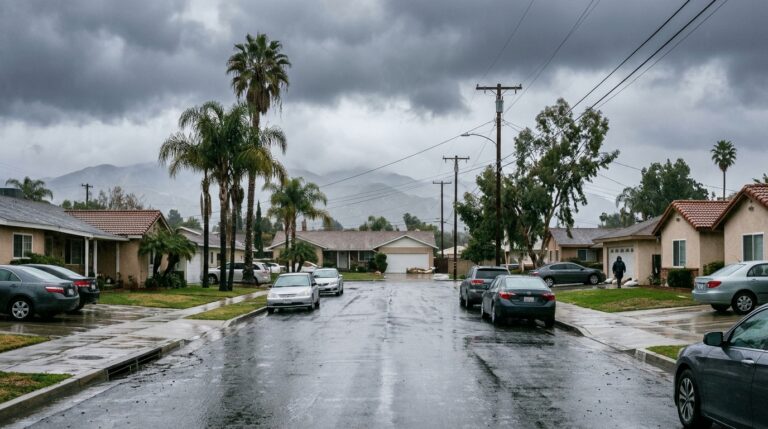
Riverside winter storm preparedness is worth addressing before the first major rain creates problems at home or on the road. Southern California storms can bring concentrated rainfall, low visibility and runoff even in communities better known for hot summers. In late 2026 and early 2027, residents can reduce avoidable disruption by checking drainage, planning travel and identifying reliable sources for official warnings.
This article is a general Riverside-area preparation guide, not a live weather alert or claim that a particular storm is approaching. Conditions differ by neighborhood, elevation, drainage system and recent land changes. Residents should rely on the National Weather Service and local emergency agencies for active alerts, evacuation instructions and road closures.
Why Riverside Needs a Rain-Season Plan
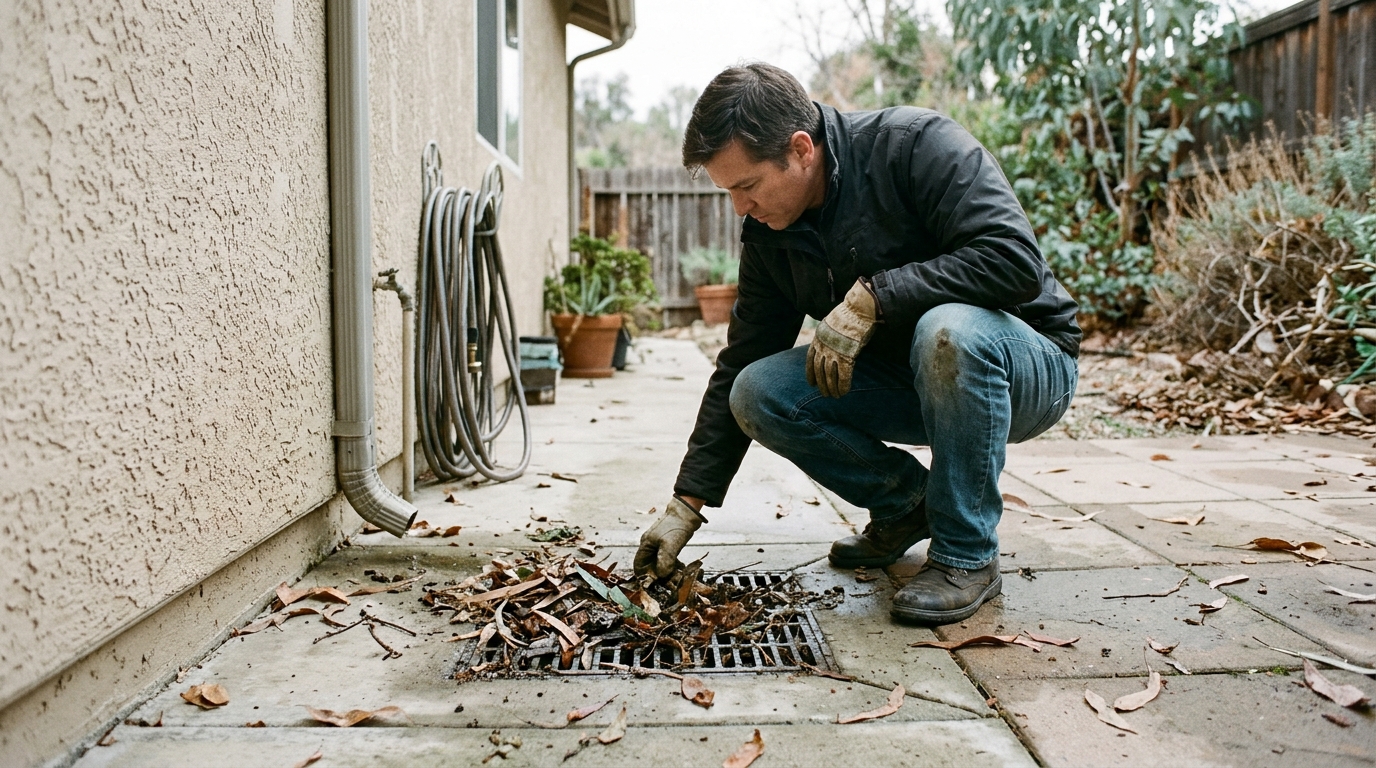
A useful plan starts with the property itself. Find where rainwater normally flows, which doors or garages sit below surrounding ground and whether gutters or drains appear blocked. If you are in a rental, notify management of potential problems. Do not modify public drainage infrastructure or enter a storm channel to clear a blockage.
Prepare for Different Neighborhood Conditions
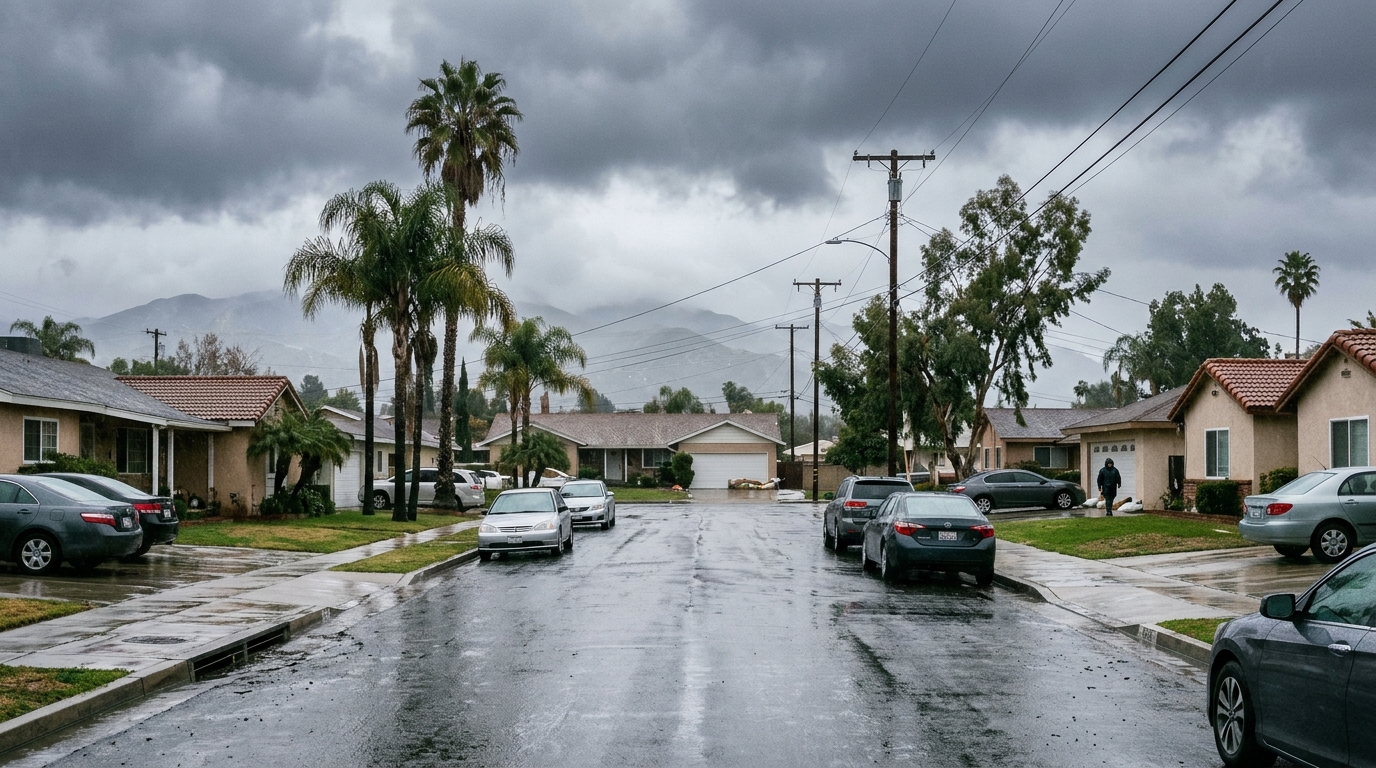
Rainfall can collect quickly where pavement, curbs or topography direct water toward a low point. A familiar street may become unsafe when runoff obscures the road surface. Avoid walking or driving into water of unknown depth. Even a short flooded section can hide damaged pavement, debris or a stronger current than it appears to have.
Riverside’s inland climate does not remove the need to prepare for concentrated rain. A street that looks routine in dry conditions can collect water near a drainage inlet, underpass, or low point. Households should identify familiar trouble spots on their own routes and learn how to check official notices rather than guessing from social media photographs. The most useful plan is made before the first warning: choose a safer alternative route, know whom to contact about a blocked drain, and decide when staying home is the appropriate option.
Check Drainage Without Entering Floodwater
Prepare the home using tasks that do not create new hazards. Clear accessible loose debris, check window seals and identify which possessions could be damaged if water enters a low room. Keep an emergency contact list, important document copies and power supplies together. Roof work and electrical repairs should be handled by qualified professionals.
Treat Low-Water Crossings as Serious Hazards
Road planning is just as important as home maintenance. Keep vehicle lights, wipers and tires in good condition and give other drivers more stopping room during rain. Leave earlier when visibility is poor. Check official road reports instead of taking shortcuts onto unfamiliar low-lying streets or assuming a navigation app knows about every temporary closure.
Make Home Preparation Practical
Households should decide in advance how they will contact one another if mobile service fails or a road becomes impassable. Include children, older adults, pets and anyone who needs power-dependent medical equipment. Knowing the difference between an advisory, a watch and a warning helps families match their response to the seriousness of conditions.
Home preparation should begin with tasks that do not expose residents to needless risk. Check accessible drainage areas, move vulnerable possessions away from known leak points, and secure loose outdoor items before windy weather. Keep flashlights and charging equipment where everyone can find them. A household with children or pets should also consider how to reach essentials during an extended interruption. Do not enter moving floodwater to clear debris, and do not attempt electrical repairs in a wet area without qualified help.
Know Which Alerts to Follow
Imagine a family with a low garage and school commute. Their preparation should cover where to park during heavy rain, how to confirm school notices, which road crossing to avoid when flooded and how to preserve access to medication. Specific decisions are more useful than buying a large emergency kit without a plan for using it.
A Family Rain-Season Checklist
Official forecasts and local emergency notices should take priority over crowd-sourced rumors. Save trusted websites and sign up for applicable local alert services. A weather forecast describes a regional risk, while road closures or evacuation notices may apply to a particular street. Recheck both before leaving home.
For an official reference, review National Weather Service winter safety resources. It provides a useful source to check alongside the practical guidance here. Confirm current information directly rather than relying on an undated copy or an unverified social post.
Vehicles, Power and Emergency Supplies
When a storm arrives, postpone optional trips if roads are flooded or visibility is severely reduced. Avoid touching downed wires or attempting to cross running water. If public officials order evacuation, follow their instructions. During an emergency, emergency services and official alerts provide guidance more appropriate than a general blog article.
An effective neighborhood update names a verified source, location, and time. For example, official information about a closure should not be presented as if it applies to an entire region without checking the notice. A photo taken after yesterday’s storm may not represent current conditions. Readers can use forecasts, local emergency communications, and transportation alerts together. The purpose of preparation is to reduce uncertainty when decisions matter, not to turn every rain forecast into a dramatic prediction of severe flooding.
Use the following checklist as a decision record. Complete the steps in a sensible order, make notes about any unresolved issue, and return to them before acting. The objective is to improve the quality of the next decision—not to claim that a single list replaces local rules or individual circumstances.
- Inspect accessible gutters and drainage paths safely. Put the relevant date and location beside the result, so a future reader knows exactly when and where the information applies. Keep the original source available for comparison.
- Store copies of important contacts and documents. Use this step to make a specific decision rather than collecting facts without a purpose. Where the answer is uncertain, choose the safer or more conservative option.
- Check wipers, tires and working exterior lights. Keep related documents, photographs, or confirmations together in a clearly named folder. A simple record can prevent details from being lost when circumstances change.
- Choose a family meeting and communication plan. If other people are involved, agree in advance who is responsible for this part of the plan. Do not rely on somebody else to guess that it has been completed.
- Subscribe to relevant local weather and emergency alerts. Review the result whenever conditions or requirements change. An earlier check may be useful history, but it is not automatic proof of what applies today.
- Never drive through a flooded road or around closure barricades. Know when to stop and ask an official source or qualified professional for help. A checklist can organize your judgment, but it cannot eliminate every risk.
When to Delay a Trip or Seek Help
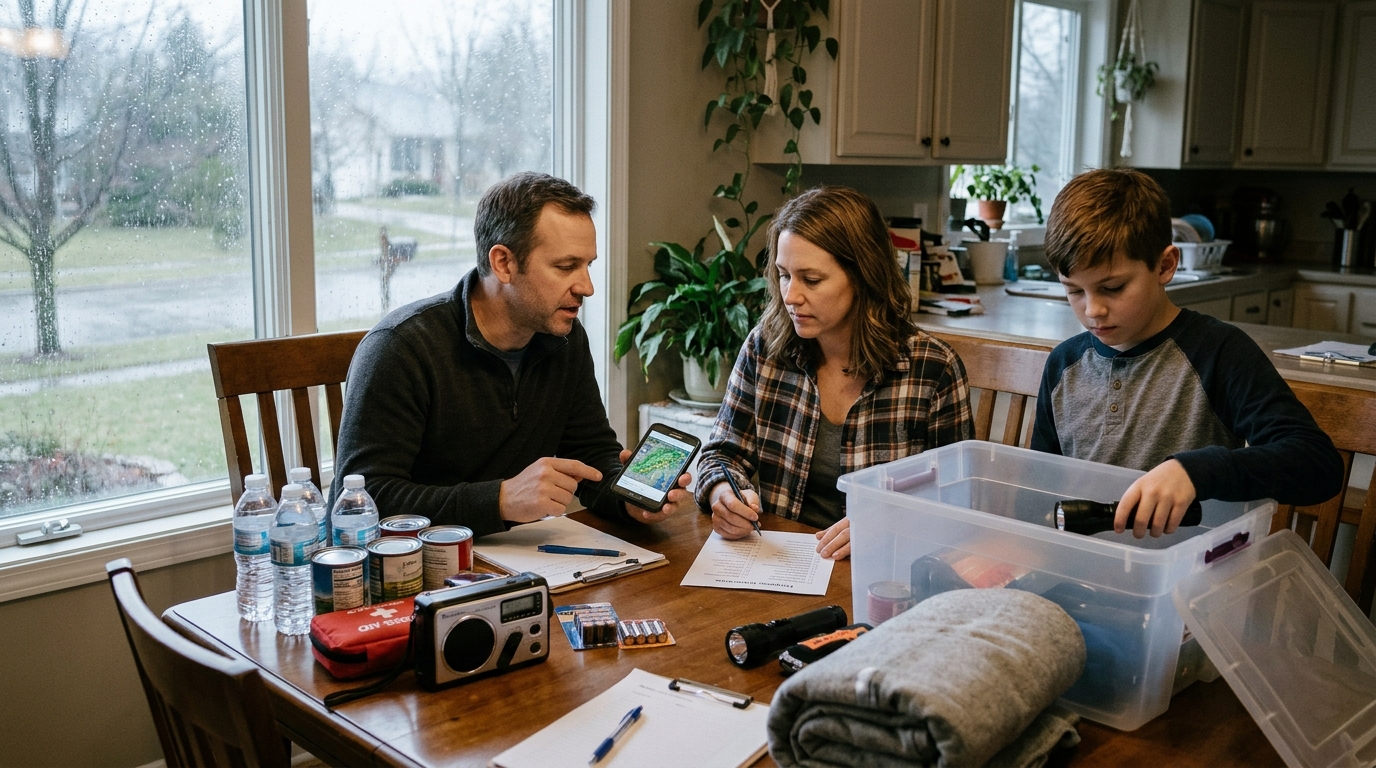
Riverside winter storm preparedness becomes much easier when planning begins on a dry day. A short drainage inspection, clear travel alternatives and current emergency contacts can make a real difference to how a household responds when weather changes rapidly.
This website does not yet have a verified related published article. Visit the Riverside Beacon home page for future community updates; do not treat a starter page as a confirmed local advisory source.
Common questions
Does Riverside get the same winter weather in every neighborhood? No. Rain, runoff and local flooding risk vary with terrain and drainage. Check the current source and the relevant location before acting; a general guide cannot account for every change in operating conditions, rules, or individual circumstances.
Can I drive through shallow-looking water? Do not enter water of unknown depth; surface appearance is not a reliable measure of safety. Keep the underlying documents and dates accessible if you need to discuss the issue later. When the stakes are significant, obtain advice from an appropriate qualified source.
The value of this Riverside winter storm preparedness guide is in a habit of verification: decide what matters, check the most relevant source, preserve the result, and update a plan when new facts appear. The underlying steps should remain useful even after the season or publication year has passed.