One of Riverside’s most important historic properties has received another major boost toward preservation and eventual public access. On September 1, 2026, the Museum of Riverside announced that Harada House had been awarded a $60,000 grant from Asian & Pacific Islander Americans in Historic Preservation, commonly known as APIAHiP.
The funding will support the construction phase of the rehabilitation of Harada House, a National Historic Landmark on Lemon Street in Riverside. According to the City of Riverside, work at the property is expected to begin next winter.
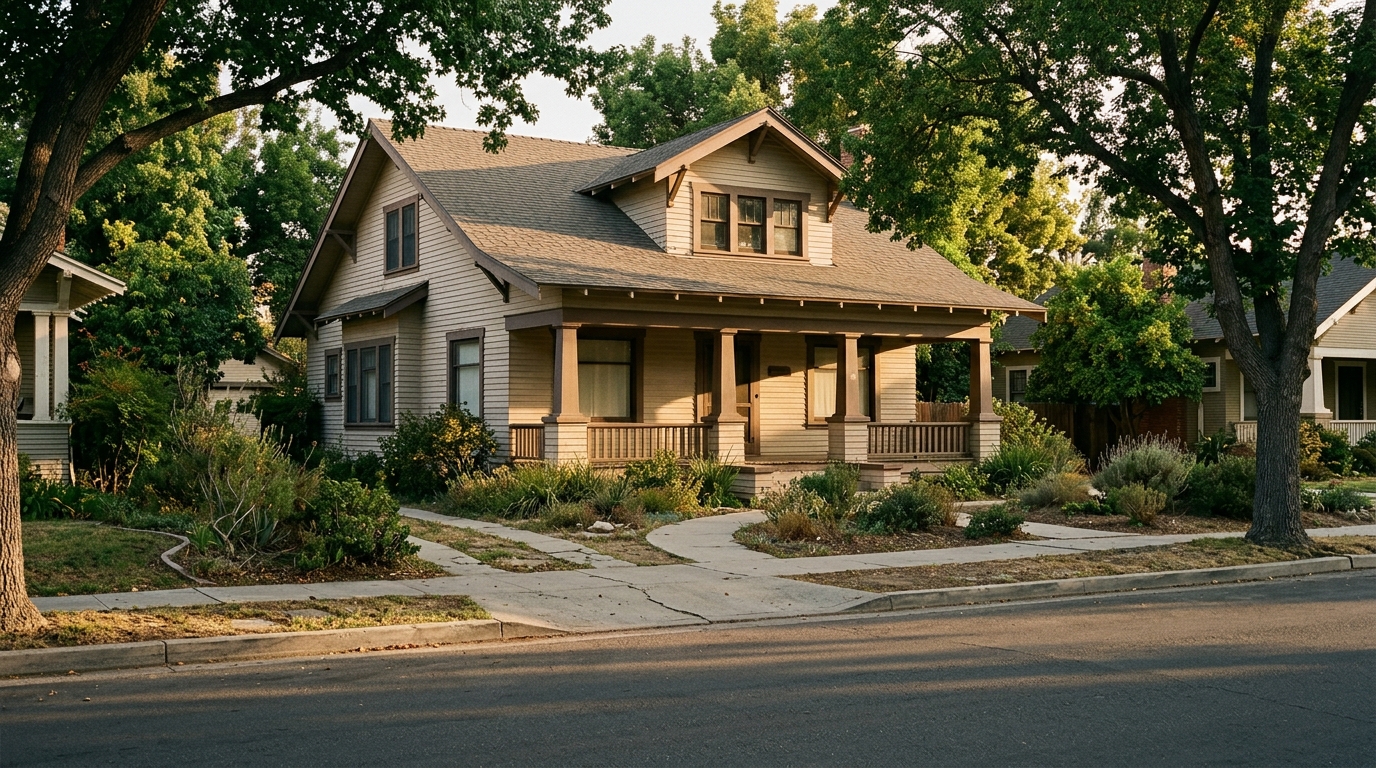
For Riverside, this is more than another historic-building project. Harada House represents an extraordinary local story involving immigration, citizenship, property ownership, discrimination, family life and constitutional rights. The modest-looking home became the center of a court battle that helped affirm the property rights of American-born children of Japanese immigrants.
The new funding also creates a timely reason to learn why this house matters, how Riverside has worked to protect it and what the next phase of rehabilitation could mean for future visitors. Readers interested in more local landmarks can also explore the Riverside Beacon History & Heritage section and our broader Riverside Local Guide.
What the $60,000 Harada House Grant Means for Riverside
The new award comes from APIAHiP’s Placekeepers Fund, a preservation program created to direct resources toward historic sites associated with Asian and Pacific Islander American history. The program is supported by the Mellon Foundation’s Humanities in Place initiative.
Harada House was one of only 14 projects receiving grants in this award cycle. Those projects span eight states and U.S. territories and represent Chinese, Japanese, CHamoru, Native Hawaiian and broader Asian American histories.
The selection was competitive. More than 60 qualified applications sought over $4.2 million in grant funding and represented nearly $20 million in total project costs. Being selected places the Riverside landmark within a national group of preservation efforts focused on keeping historically significant places standing and accessible for future generations.
Why This Preservation Award Stands Out
The $60,000 should not be viewed as a standalone renovation budget. Harada House has required a long-term preservation strategy because of the building’s age, fragile condition and historical importance. The Museum of Riverside has pursued multiple sources of public and private support while planning rehabilitation carefully enough to preserve historic materials and features.
An earlier milestone came when the Museum of Riverside received a $500,000 federal Save America’s Treasures grant through the National Park Service. That funding supported an initial rehabilitation phase that included foundation work and structural stabilization.
The latest grant adds another piece to that larger effort. Rather than changing the property into something new, preservation work is intended to protect the physical place associated with the Harada family’s experiences and prepare it for meaningful interpretation and eventual public access.
A Competitive National Preservation Grant
The Placekeepers Fund specifically supports communities working to document, recognize and preserve locations important to Asian and Pacific Islander American history. Its on-site preservation grants can support rehabilitation, restoration, physical preservation and interpretive installations.
That makes Harada House a particularly appropriate project. The building is significant not simply because of its architecture, but because events that occurred there connect a Riverside neighborhood to a much larger national story about who was allowed to own property and whose citizenship rights were protected under the Constitution.
Readers can learn more about the national significance and official landmark history of the property through the National Park Service’s Harada House resource.
Harada House Is More Than an Old Riverside Home
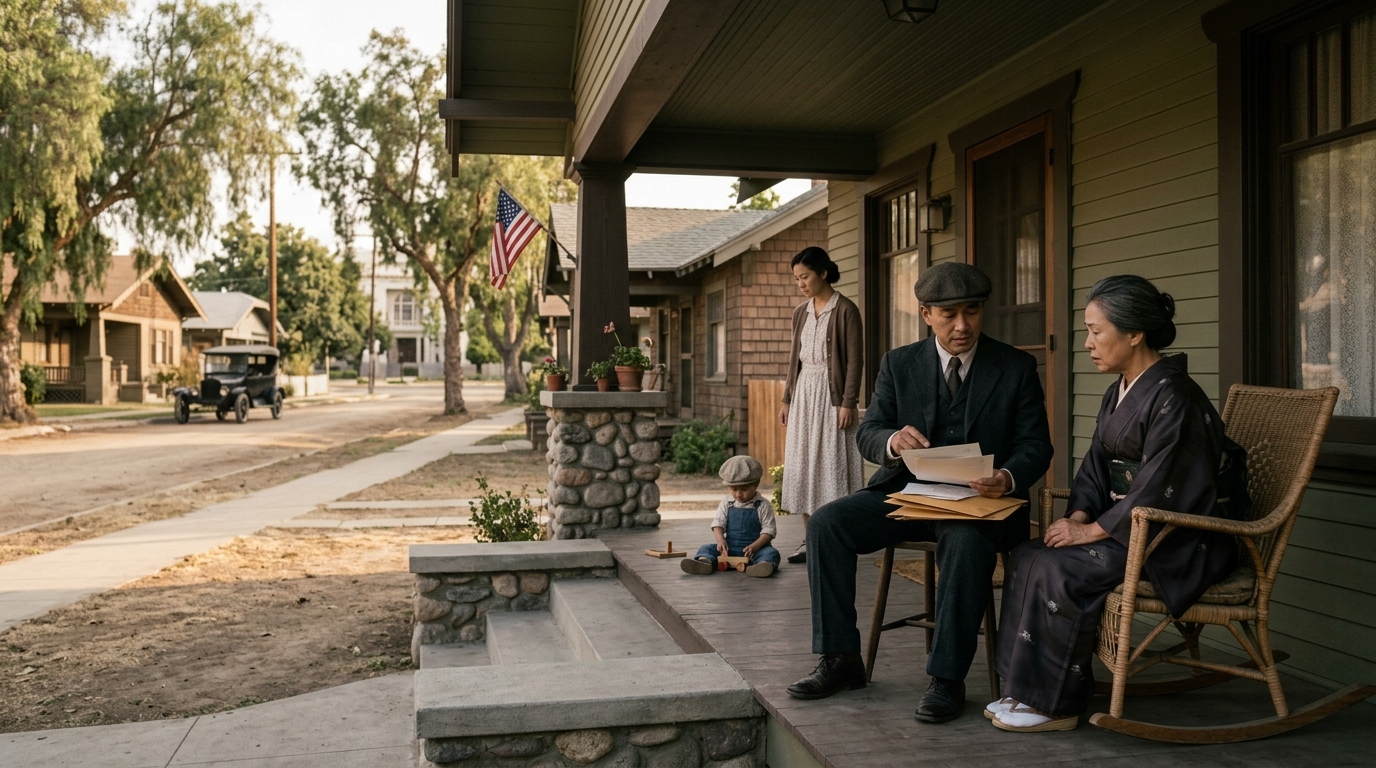
The history begins with Jukichi and Ken Harada, Japanese immigrants who established their family in Riverside in the early twentieth century. After losing a young son to diphtheria, the family wanted a healthier single-family home near their children’s school and church.
In 1915, Jukichi Harada purchased a house on Lemon Street. California’s Alien Land Law of 1913, however, targeted immigrants who were classified as ineligible for U.S. citizenship and prevented them from owning property.
Harada responded by placing legal ownership of the home in the names of three of his American-born children, Mine, Sumi and Yoshizo. Because they were born in the United States, the children were U.S. citizens.
The purchase generated opposition from some neighbors and ultimately became the basis of a court case with implications far beyond Riverside.
The Court Case That Put Riverside in Civil-Rights History
In People of the State of California v. Jukichi Harada et al., California challenged the family’s ownership arrangement under the Alien Land Law. The Riverside County Superior Court ultimately ruled in favor of the Harada children, recognizing that their rights as American citizens included the right to own property.
The case, decided in 1918, became the first test in the United States of the constitutionality of alien land laws that restricted property ownership based on racialized citizenship rules.
That history is a major reason Harada House was designated a National Historic Landmark in 1990. It later became a California Historical Landmark as well.
For Riverside residents, the story demonstrates how an ordinary residential property can become nationally significant. Major civil-rights history did not happen only in capitals, courthouses or famous institutions. It also unfolded in neighborhoods and family homes.
From World War II Incarceration to Historic Preservation
The Harada family’s story did not end with the court victory. During World War II, members of the family were among the Japanese Americans forced from their homes under the federal government’s wartime incarceration policy.
The house preserves physical evidence connected to that period. The National Park Service notes that an inscription left on a bedroom wall recorded the family’s forced departure in May 1942. Details like that transform the building from an abstract historical symbol into evidence of what a real family experienced.
Family papers, objects and other materials associated with the house have also been preserved. The Harada family eventually transferred the property and its contents to Riverside’s museum so the story could be protected, studied and interpreted for the public.
This makes the preservation project especially valuable for Riverside’s broader historical landscape. Readers exploring the city can pair stories such as Harada House with other historic places through our guide to Things to Do in Riverside.
What Happens Next for Harada House?
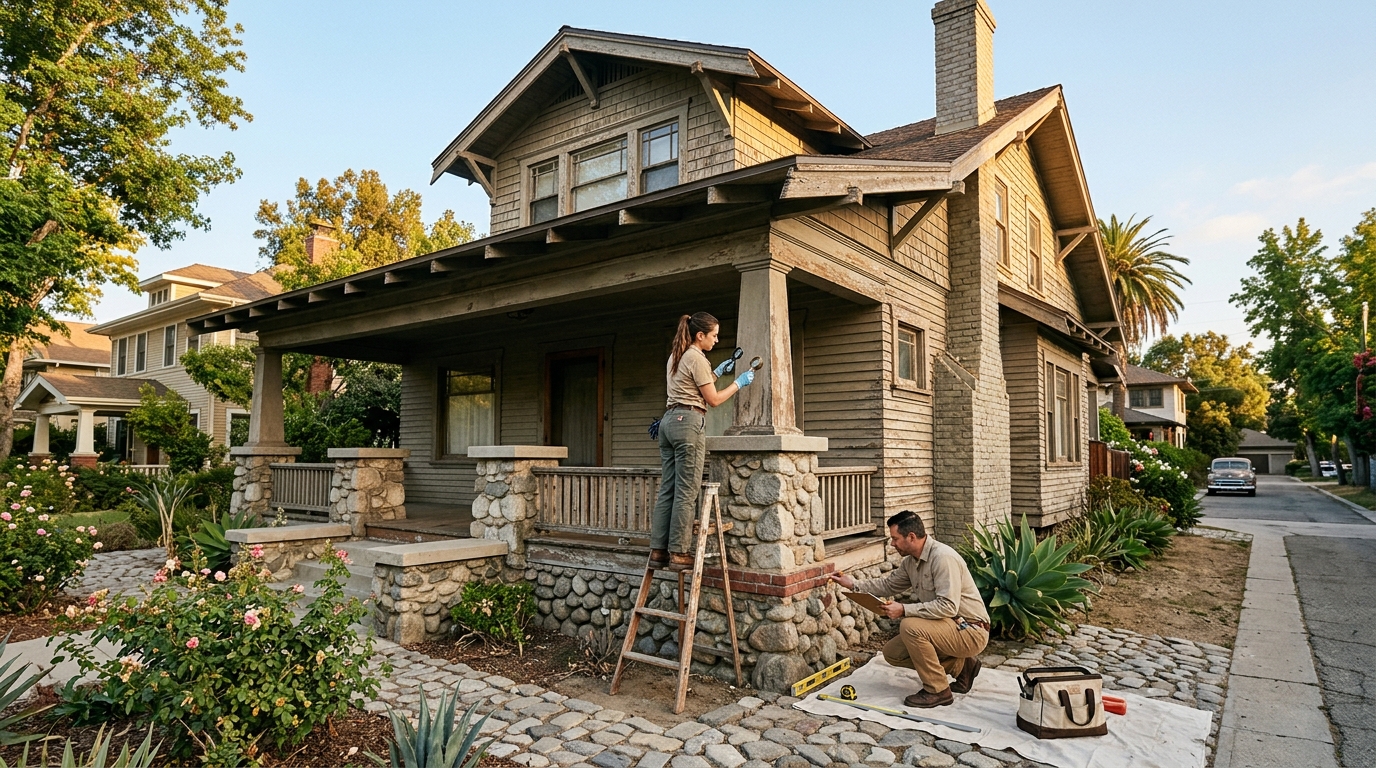
The September 2026 announcement identifies the new grant as support for the construction phase of rehabilitation, with work scheduled to begin next winter. That wording matters because Harada House is not currently a conventional museum attraction that visitors can simply walk into.
The property remains closed to the general public while preservation work continues. The condition and size of the house also mean that future public access will need to account for the protection of original materials and the practical limits of safely accommodating visitors.
Rehabilitation, Interpretation and Future Public Access
Preserving Harada House is therefore about more than repairing walls and foundations. The project must balance physical conservation with interpretation. Visitors need to understand not only what happened in the house, but how the Harada family’s experiences fit within Riverside, California and American history.
The Museum of Riverside has described its long-term goal as preparing the landmark for public access. An associated Harada House Interpretive Center is also part of the museum’s plans, creating an opportunity to present documents, artifacts, photographs and historical context without placing unnecessary pressure on the fragile historic house itself.
There is no reason for visitors to wait until the rehabilitation is complete to begin exploring Riverside’s history. Heritage House offers another window into the city’s past, while Downtown Riverside contains architecture, museums and cultural sites that can easily form part of a history-focused itinerary.
If you’re planning a wider Riverside outing, see our first guide, Best Things to Do in Riverside in September 2026, for current events, arts, history and outdoor ideas.
How Riverside Residents Can Follow the Project
The most important thing for residents and history enthusiasts is to treat Harada House as an active preservation project rather than assume that a public opening date has already been announced. The City has said construction progress will be reported through the Museum of Riverside once work begins.
That distinction helps avoid outdated visitor information. Historic rehabilitation projects can involve structural findings, conservation requirements and construction schedules that change as work progresses.
people interested
For now, people interested in the property can learn its history, follow official museum updates and support Riverside’s wider heritage community. The story also provides an opportunity for parents, teachers and students to discuss citizenship, immigration, racial discrimination and civil liberties through a local place rather than an abstract textbook example.
Harada House demonstrates exactly why historic preservation matters. Buildings do not have to be enormous or architecturally extravagant to carry national significance. Sometimes the value of a place lies in the choices made by the people who lived there and the rights they fought to protect.
The new $60,000 grant is another step toward ensuring that Riverside does not lose that physical connection to the Harada family’s story. As rehabilitation advances, the house has the potential to become an even stronger educational resource for Riverside residents and visitors interested in Japanese American history, civil rights and the complicated history of citizenship in California.
For more local stories like this, browse Riverside Beacon’s History & Heritage coverage, explore our Riverside Neighborhoods guides, or start with the complete Riverside Local Guide.