Riverside’s Heritage House is reopening its fall season with an exhibition that uses one of the city’s most recognizable historic homes to explore art, taste, status and social change during the Victorian era. Gilded: The Art of Heritage House opens September 11, 2026, at Heritage House, 8193 Magnolia Avenue, and is scheduled to remain on view through November 29.
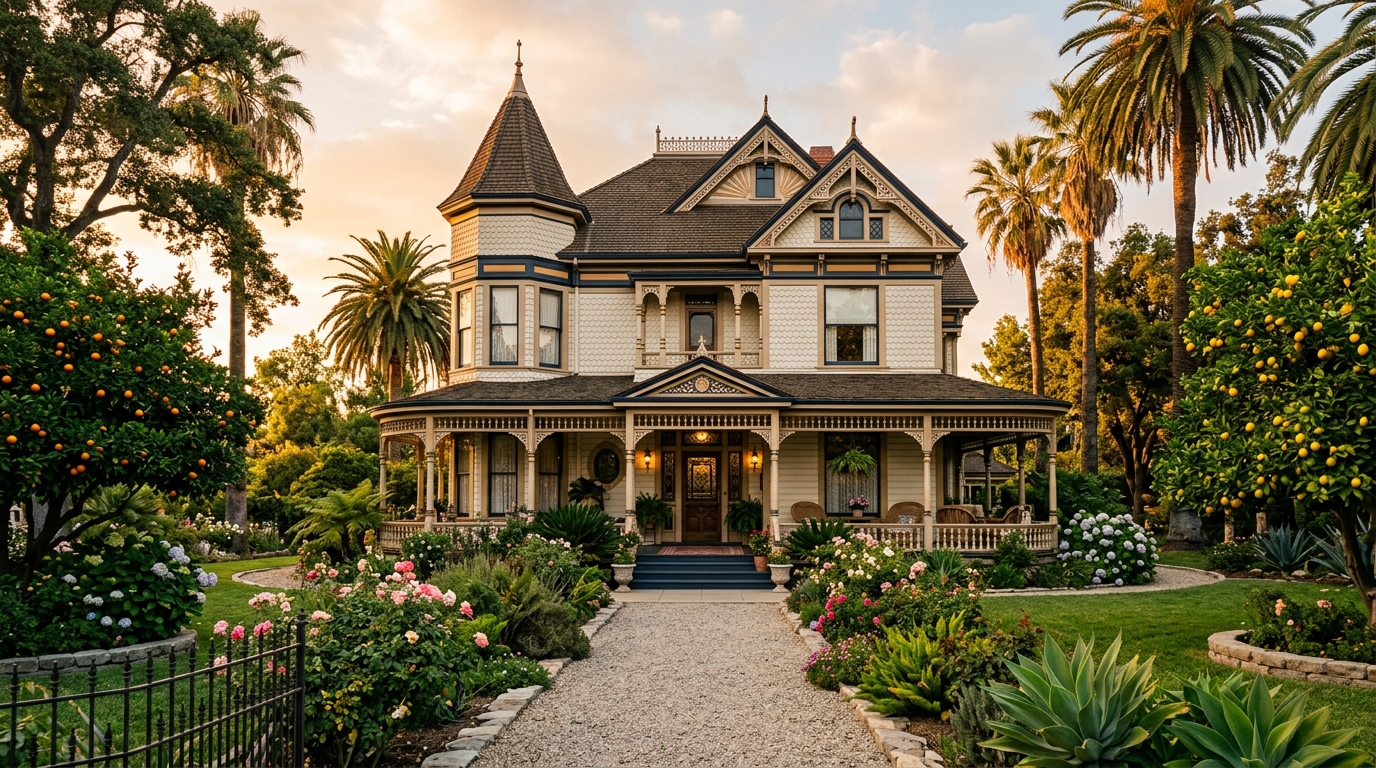
The exhibition is particularly well suited to the setting. Heritage House is a restored Queen Anne Victorian home built for Catharine Bettner during Riverside’s late nineteenth-century citrus boom. Its architecture, furnishings and decorative details already transport visitors into the period that Gilded examines. Rather than presenting Victorian art as a separate gallery subject, the Museum of Riverside is placing fine and decorative objects inside a historic domestic environment where questions of wealth, fashion and social aspiration feel immediate.
For Riverside residents and visitors, the exhibition also offers a timely fall activity that can be combined with other local history and culture stops. Before planning your visit, browse our Things to Do in Riverside hub, explore more stories in History & Heritage, or use the Riverside Local Guide to build a fuller day around the city.
What to Know About Gilded: The Art of Heritage House
Gilded is the Museum of Riverside’s fall 2026 highlight exhibition at Heritage House. According to the City of Riverside, the show looks closely at the fine and decorative arts that attract attention inside the Victorian home while also introducing new pieces to the house.
The exhibition focuses on the Victorian era, generally dated from 1837 to 1901. This was a period of enormous industrial, economic and social change. Industrial production created new goods and materials, international trade widened access to decorative objects and artistic influences, and expanding middle classes used homes, furniture, paintings and decorative objects to communicate refinement and social standing.
That background helps explain the exhibition’s title. “Gilded” suggests both literal ornament and a wider culture of display. For many households with growing wealth, decorating a home could be a public statement about education, taste, respectability and success.
Why Victorian Art Became a Language of Status
The nineteenth century changed who could buy and display art. Industrialization made many goods easier to produce, new markets expanded consumer choice, and developments in artists’ materials changed what could be made and sold. Colonial trade networks also brought objects, motifs and materials from around the world into European and American homes.
Victorian middle-class families often looked toward established academic art traditions when deciding what counted as refined or respectable. Paintings, sculpture, decorative ceramics, textiles, framed prints and carefully arranged rooms could all communicate cultural knowledge. The home itself became a stage where taste was performed for family members and visitors.
But Victorian art was not static. Some artists now considered major figures challenged the conservative standards many audiences preferred. Impressionism and other movements questioned expectations about technique, subject matter and finish, creating tension between tradition and experimentation.
What Makes Heritage House the Right Setting
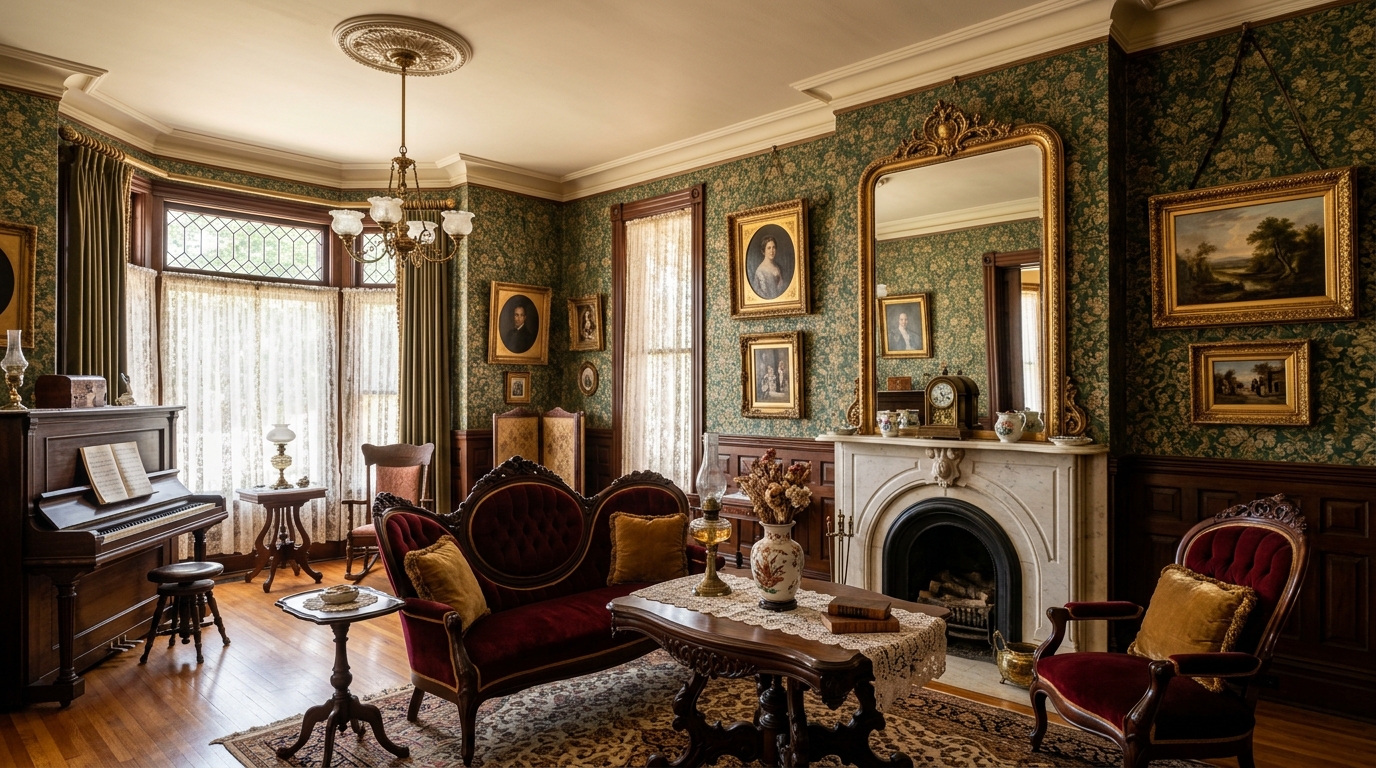
A conventional museum gallery can explain Victorian decorative arts, but Heritage House adds context. The house was built in 1891 for Catharine Bettner, widow of one of Riverside’s early citrus pioneers, and is associated with the period when the local citrus economy helped create significant wealth in the city.
The restored Queen Anne architecture, detailed woodwork, period furnishings and domestic rooms allow visitors to see decorative art as part of daily life. A painting above a mantel or an elaborate textile can be understood not simply as an artifact, but as part of a carefully composed interior.
That connection between Riverside’s citrus-era prosperity and Victorian taste makes the exhibition locally meaningful. It provides a way to think about how broader cultural ideas reached Southern California and shaped the homes of prosperous Riverside families.
Three Special Programs Add More to the Exhibition
The Museum of Riverside has scheduled three public programs during the run of Gilded, each approaching Victorian art from a different angle. These events make the exhibition more than a static display and give repeat visitors reasons to return during the fall.
The first takes place on Saturday, September 12, from noon to 4 p.m. “Art in the Victorian Era” will include painting workshops throughout the afternoon and a curator-led tour at 2:15 p.m. For visitors who want more explanation than a standard house tour provides, the curator tour should offer useful context about the objects and themes selected for the exhibition.
September 12: Art in the Victorian Era
The opening-weekend program is the most direct companion to the exhibition. Painting workshops can help visitors think about artistic materials and techniques rather than viewing finished art passively. The curator-led tour adds another layer by explaining why particular objects were chosen and how they fit into the broader story of Victorian taste.
This is a strong option for families, students, artists and visitors who enjoy asking questions about how exhibitions are assembled. If you are planning a broader September outing, pair the program with ideas from our guide to Things to Do in Riverside in September 2026.
October 24: Dying for Art
The second special program takes a darker approach. On Saturday, October 24, from noon to 4 p.m., “Dying for Art” will explore experimental and toxic artists’ materials and the famous artists who suffered serious health consequences from their work.
This subject reflects a less glamorous side of nineteenth-century artistic innovation. New pigments and manufactured materials could produce striking colors and effects, but artists did not always understand the risks associated with the substances they handled. The event shows how industrial progress often arrived faster than modern safety knowledge.
November 15: Write Like a Victorian
On Sunday, November 15, from 2 to 3:30 p.m., “Write Like a Victorian: A Literary Romp” shifts from visual art to language. Participants will be invited to create deliberately dramatic Victorian-style opening lines and recite them for the group.
The playful program broadens the exhibition’s theme by showing that Victorian taste was expressed through literature as well as interiors and visual art. It may also be one of the most approachable events for visitors who like history but do not consider themselves art experts.
How to Plan a Heritage House Visit in Fall 2026
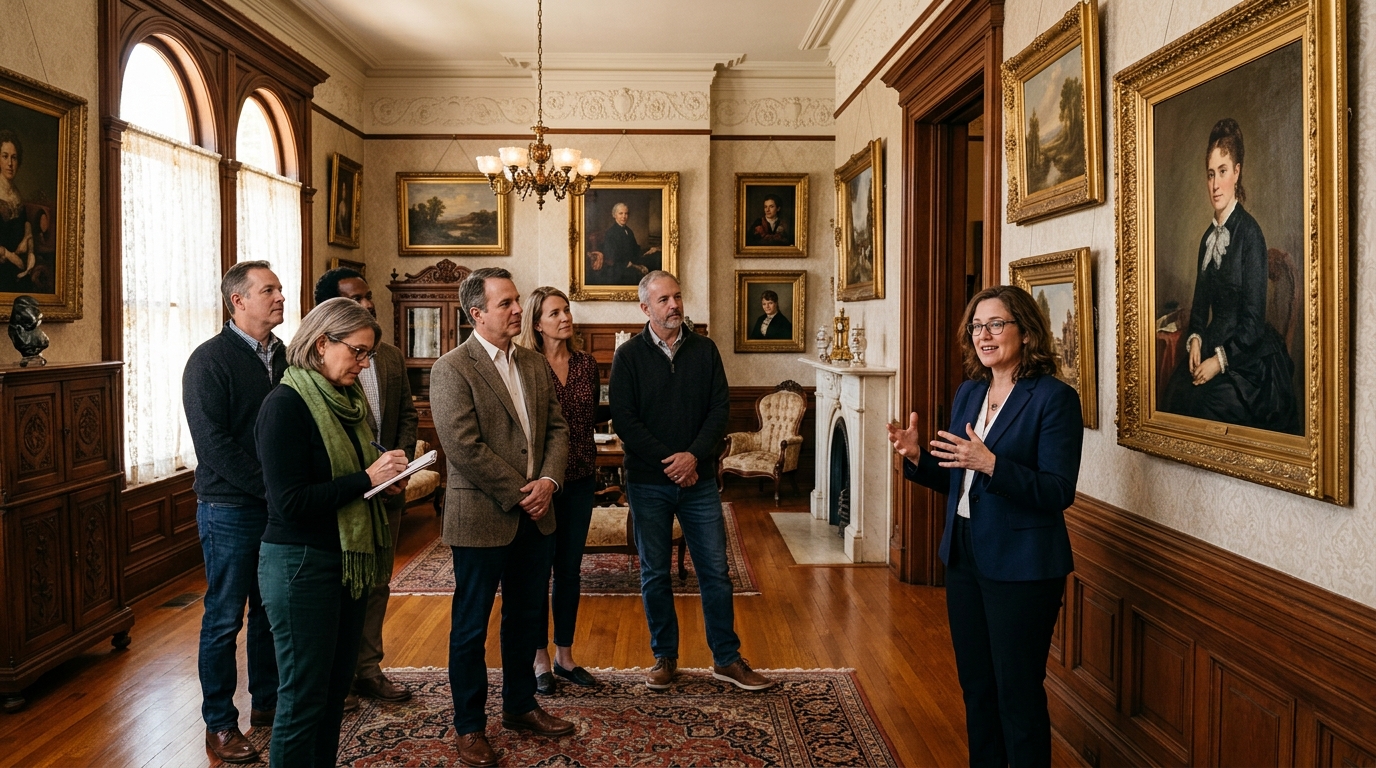
Heritage House is located at 8193 Magnolia Avenue in Riverside. The Museum of Riverside says the site is open for guided tours Friday through Sunday during its operating season, and advance registration through Eventbrite is requested. Because schedules and available tour spaces can change, check the museum’s current information before traveling.
The official City of Riverside announcement for Gilded is the best source for confirmed exhibition dates and special-program details. You can review it on the City of Riverside website.
Turn the Exhibition Into a Riverside History Day
A visit to Heritage House does not need to stand alone. Riverside is rich in historic architecture, citrus history and nationally significant sites. One easy strategy is to make Heritage House the centerpiece of a half-day focused on the city’s past, then add another museum, historic neighborhood, landmark or meal nearby.
Readers interested in the city’s civil-rights history can also read our guide to the Harada House preservation grant. Harada House tells a very different Riverside story, centered on Japanese American history, citizenship and property rights. Reading the two places together shows how much local history can be contained within residential streets.
You can also explore our Riverside Neighborhoods page before your trip. Historic homes make more sense when viewed as part of the streets, transportation corridors and communities that developed around them rather than as isolated attractions.
Historic homes
For visitors focused on arts and culture, Heritage House also connects naturally with Downtown Riverside’s museums, galleries, public art and Arts and Culture District. Our Events & Community page can help you find additional seasonal activities to pair with your visit.
Gilded: The Art of Heritage House is valuable because it uses a familiar Riverside landmark to ask larger questions. Why did people decorate their homes the way they did? What did art communicate about class and respectability? How did industrialization and global trade change what families could buy? And why did some artists rebel against the tastes society considered proper?
Those questions make the exhibition more than a display of beautiful objects. They turn Heritage House into a lens for understanding a period of rapid change and connect Riverside’s citrus-era prosperity to wider developments in nineteenth-century art and consumer culture.
With the exhibition running from September 11 through November 29, 2026, there is time to visit throughout the fall. The special programs in September, October and November provide three different ways into the subject, while the historic house itself remains the strongest reason to go. Check current tour availability before your visit and explore more Riverside history through our History & Heritage coverage.